 TheLarchmontSnohomish County.
(206) 735-1286Get a quote
TheLarchmontSnohomish County.
(206) 735-1286Get a quote
TheLarchmontSnohomish County.
(206) 735-1286Get a quote
TheLarchmontSnohomish County.
(206) 735-1286Get a quote
Marysville has two fence problems: low ground near Ebey Slough that spends the whole winter wet, and north-end plats where the builder fences all went in the same summer and are coming apart the same way. We set posts for wet soil, deep in concrete, and haul the old fence away when we go. The on-site quote is free and written, and you can reach the crew any hour at (206) 735-1286.
 Free quoteCedar privacy fencing
The old end of town and the new end wear fences out differently: standing water down by the slough, cut corners up in the plats. Both have known fixes, and the quote names them up front.
The yards between downtown and Ebey Slough sit low, and from late fall clear into April that ground stays wet. A wood post standing in soil that never dries rots right at the collar, where post meets dirt, and one rotted collar is how a whole run ends up leaning by March. Our low-ground build is boring on purpose: ground-contact treated posts, holes dug deep, and concrete domed at the top so rain rolls off instead of puddling against the wood.
You can date a fence in Smokey Point or Lakewood by the plat it stands in. Whole streets got the same thin-board fence on minimal posts the summer the houses sold, and fences that went in together come apart together; when one neighbor calls about a lean, a second call from the same block usually isn't far behind. We replace them with deeper holes, posts set in concrete, and cedar with some real meat on it, whether that's one shared line or the whole yard.
Marysville kept its big trees, and a fence line running under them stays damp long after the rain quits. Moss follows the damp, then holds more water against the boards. Cedar can live wet for decades as long as it gets the chance to dry out, so on shaded runs, common around Jennings Park and the older Sunnyside blocks, we build for airflow: bottom boards held clear of the dirt, a top cap that sheds, and spacing that lets the line breathe wherever privacy allows.
A Marysville fence prices like the rest of the county: cedar privacy mostly runs $35 to $60 a linear foot installed, vinyl runs $45 to $70, and a walk gate lands at $400 to $900. Read those as the market, not your bid; down by the slough the usual adder is wet-ground prep, and up in the plats it's tear-out of the old builder fence at $3 to $5 a foot. The line-by-line math lives in what a fence costs in Snohomish County, and the number that counts is the free written quote you get once we've stood in your yard.
Every item below is inside the quote before you sign, so when you stack our number against another bid, you're comparing whole jobs.
Cedar & vinyl fencesCedar privacy fence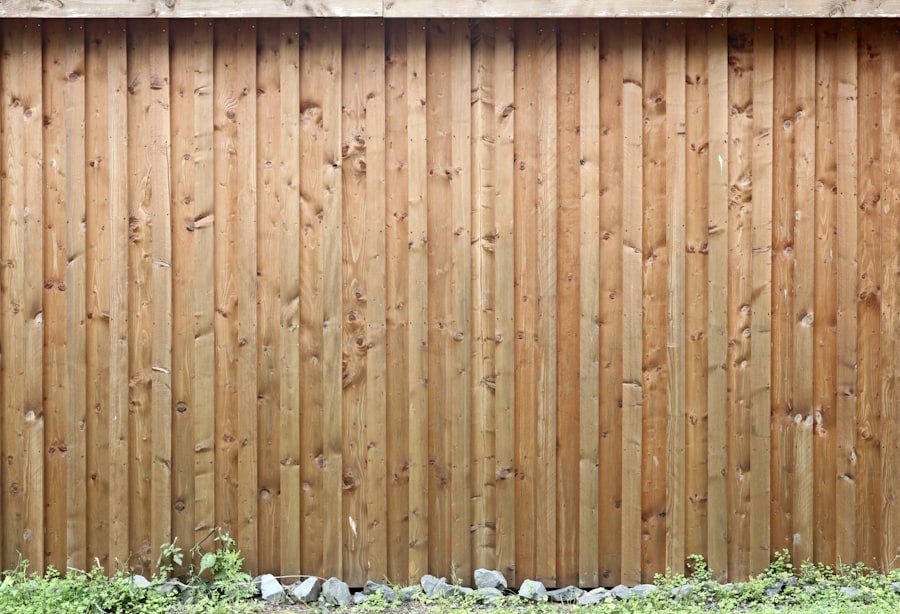 Cedar & vinyl fencesCorner lot, gate that latches
 Cedar & vinyl fencesHillside step-down
 Cedar & vinyl fencesPainted picket
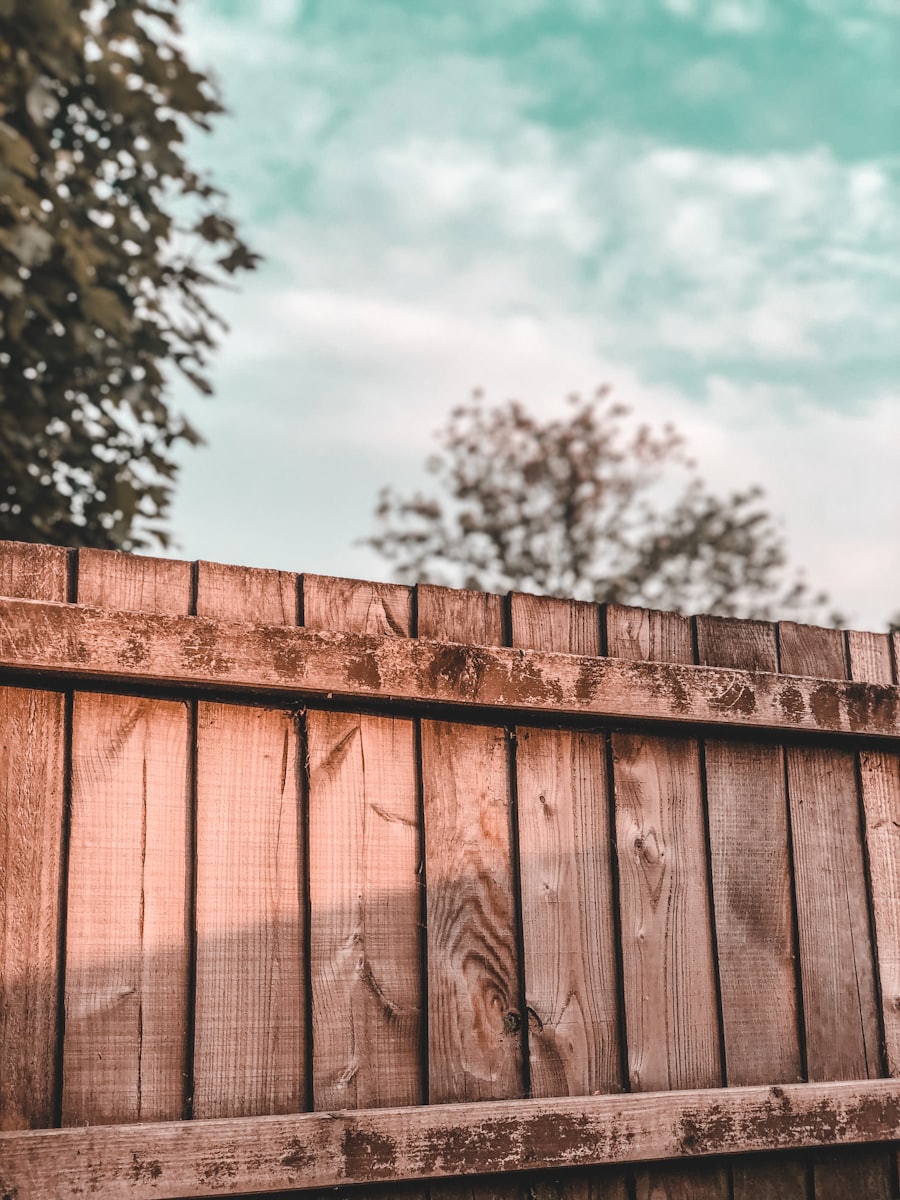
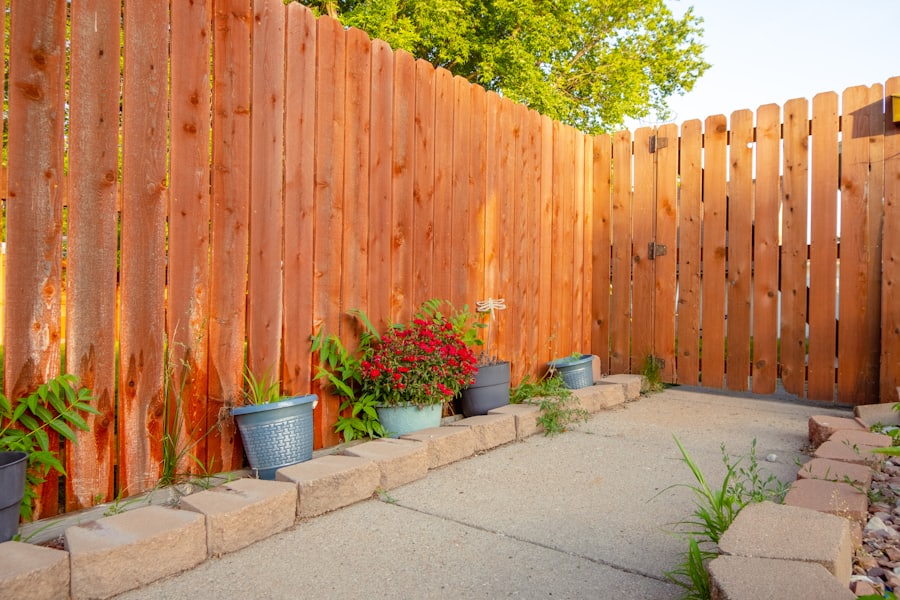
Representative photos of the work we do.
Reviews take time and we've only been at this since 2024, so this section stays honest and empty for now. These four commitments carry the weight instead.
The crew that measures your fence line builds your fence line. There is no second roster.
Its terms are printed in the contract you keep, settled before the first post is set.
Your written quote is what the fence costs. A change needs paper and your signature before it happens.
WA contractor #LARCHBL744BK, bonded and insured. The state registry confirms it in a couple of minutes.
Wind in Mukilteo, salt in Everett, water here. Every town gets its own fence page because the ground writes different rules in each one; the crew and the warranty carry over.

Tell us what the fence needs to do, or just send a photo of the line; for most Marysville yards a photo is enough to put a written quote in motion. Whoever picks it up can tell a rotted collar from a passing lean, even in a phone picture.
The call comes from (206) 735-1286, usually inside a business day, from someone who can price wet-ground prep from memory.