One of the first questions Seattle homeowners ask after a water damage event is whether their insurance will cover it. The honest answer is: it depends on the cause. Washington State homeowners policies cover some types of water damage and explicitly exclude others, and the distinction matters enormously when a claim is denied or underpaid.
This guide walks through exactly what standard homeowners policies cover, what they do not, and what steps you can take to protect your claim from the moment the damage occurs.
What Standard Homeowners Insurance Covers
The key concept in Washington State homeowners policies is sudden and accidental water damage. This means damage that happened quickly, without warning, and was not the result of ongoing neglect or deferred maintenance.
The following types of water damage are typically covered under standard homeowners policies in Washington:
Burst pipes: A sudden pipe failure due to freezing, pressure, or age qualifies as sudden and accidental. This is one of the most common covered claims in the Puget Sound region during cold snaps.
Appliance failures: Water damage from a washing machine, dishwasher, refrigerator ice maker, or water heater that fails suddenly is generally covered.
Roof leaks from storm damage: If a storm causes direct physical damage to your roof and water enters as a result, that damage is typically covered under your dwelling coverage.
Accidental discharge: Overflow from a bathtub, sink, or toilet that occurs accidentally is generally covered.
HVAC condensation failure: In some cases, damage from condensate line failures in HVAC systems qualifies.
What Homeowners Insurance Does NOT Cover
Washington State homeowners policies contain several important exclusions that catch homeowners by surprise:
Flooding from external sources: Water that enters your home from rising rivers, storm surge, or surface runoff is classified as flooding and is not covered under standard homeowners policies. Separate flood insurance through FEMA's National Flood Insurance Program is required for this coverage. Given Puget Sound weather patterns and proximity to waterways, this is worth considering for many Seattle-area properties.
Gradual leaks and deferred maintenance: If a pipe has been slowly leaking for months or a roof has been in obvious disrepair, insurers can deny claims on the grounds that the damage was foreseeable and preventable. This is one of the most common reasons Washington homeowners have claims reduced or denied.
Sewer backup and drain overflow: Unless you have specifically added a sewer backup endorsement to your policy, damage from sewage backing up into your home is typically excluded. This endorsement is inexpensive and highly recommended for Seattle homes, particularly those with older sewer infrastructure.
Mold from long-term moisture: If mold results from a long-standing moisture problem rather than a covered sudden event, remediation costs are generally not covered. This is why rapid response to any water event is critical.
Groundwater intrusion: Water seeping in through foundation walls or basement floors due to hydrostatic pressure is typically excluded.
Why Documentation Determines Whether Your Claim Gets Paid
Many Washington homeowners with legitimate claims receive reduced payouts or denials not because the damage was excluded, but because the documentation was inadequate. Insurance adjusters are looking for specific information before approving claims, and most homeowners, and many restoration companies, do not know how to provide it.
What adjusters actually need to approve a water damage claim:
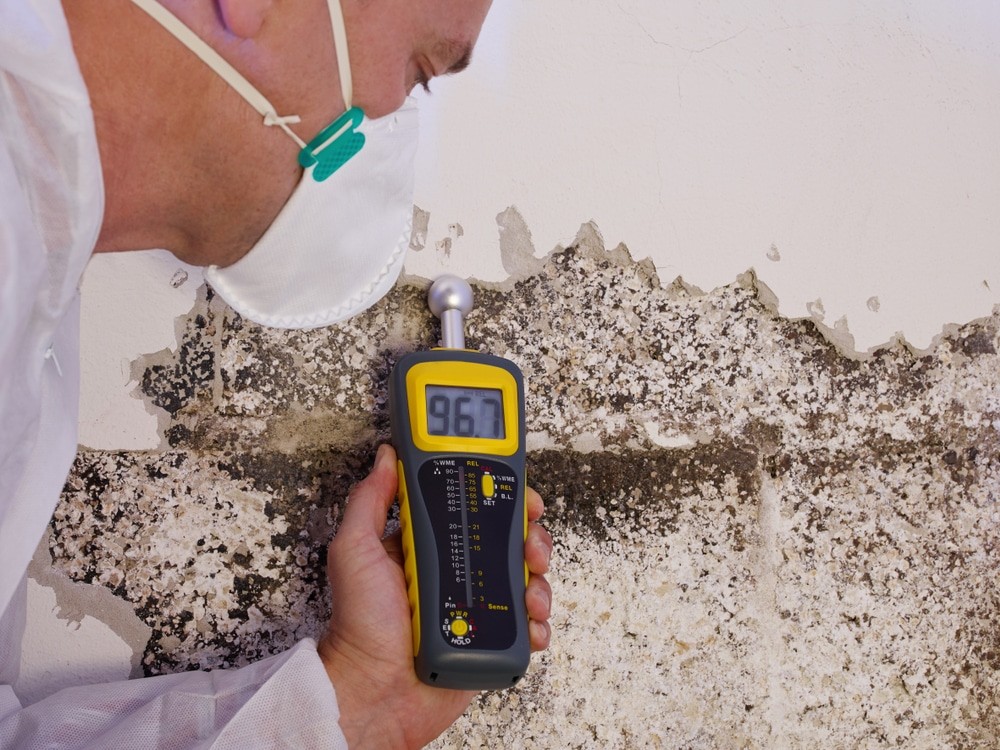
Moisture readings with instrument data, not just photos. Photos show surface damage. Moisture meter readings prove the extent of structural damage inside materials.
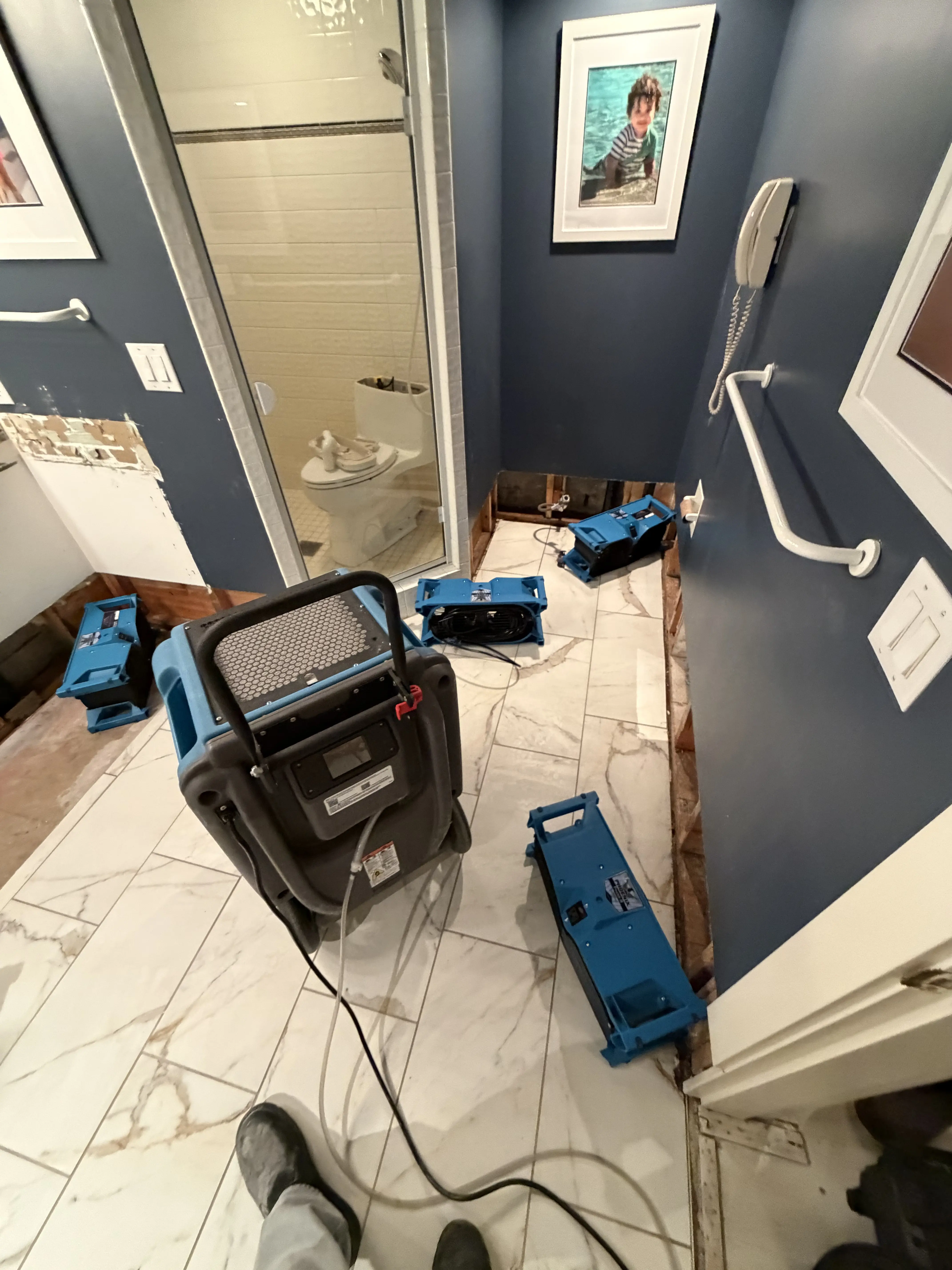
Thermal imaging showing hidden damage. Water that has migrated behind walls and under floors needs to be documented with thermal imaging, or that damage can be excluded from the scope.
A detailed scope of work in the format the adjuster uses. Vague descriptions do not get paid. Line-item documentation in the standard industry format does.
Documentation establishing the damage pathway. How did the water travel? What did it affect along the way? This narrative connects the covered event to the total scope of damage claimed.
Evidence of the sudden and accidental nature of the event. Photos, plumber documentation, and timeline notation that the event was not a gradual leak.
Larchmont Builds provides all of this documentation on every job. We have worked with insurance adjusters across every major carrier operating in Washington State, and we know what is required to get claims paid fully and quickly.
The Sewer Backup Question: A Seattle-Specific Issue
Older Seattle neighborhoods, including much of Capitol Hill, Fremont, the Central District, and South Seattle, have aging combined sewer systems that can back up during heavy rainfall events. If your home does not have a sewer backup endorsement on your policy, and sewage enters your home through floor drains or toilets during a backup event, you may be entirely uninsured for the damage.
This endorsement typically costs between 40 and 80 dollars per year to add. Given the frequency of sewer backup events in Seattle during peak rain season, it is one of the most valuable add-ons available to homeowners in this market.
What to Do the Moment Water Damage Occurs
The actions you take in the first hour after a water event directly affect whether your insurance claim succeeds.
Document before cleanup. Take photos and video of all visible damage before removing any water or beginning any drying. Photograph the source of the water entry, the extent of water spread, and any damaged belongings.
Do not make permanent repairs before the adjuster inspects. Emergency mitigation is appropriate, but permanent repairs made before an adjuster documents the damage can reduce your claim.
Call your insurance company to open the claim. Most policies have notification requirements. Failing to report promptly can affect coverage.
Call Larchmont Builds. We coordinate directly with your insurance carrier. Our documentation process is designed around what adjusters need, and we can often communicate with your adjuster on your behalf to keep the claim moving.
FAQ: Water Damage Insurance in Washington State
Does Washington State have any special insurance rules for water damage?
Washington insurance regulations require carriers to handle claims in good faith and within specific timeframes, but coverage is still determined by your individual policy terms. The Washington State Office of the Insurance Commissioner is a resource if you believe a claim has been handled improperly.
How long does a water damage insurance claim take in Washington?
Initial response and inspection typically occurs within one to two weeks of filing. Full settlement depends on the scope of damage and whether documentation is complete. Claims with thorough adjuster-ready documentation are resolved significantly faster than those requiring multiple supplemental submissions.
Can I choose my own restoration contractor for an insurance claim?
Yes. In Washington State, you have the right to choose your own licensed restoration contractor. Your insurance company may suggest preferred vendors, but you are not required to use them.
What if my insurer underpays my water damage claim?
You have the right to dispute the settlement. Having detailed documentation from a certified restoration company is your strongest asset in this process. If disputes cannot be resolved through negotiation, Washington State allows for the appraisal process and complaint filing with the Office of the Insurance Commissioner.
Dealing with water damage or mold in the Seattle area? Larchmont Builds is IICRC certified, licensed and bonded in Washington State, and available 24/7.
Call (206) 735-1286 or visit larchmontbuilds.com to schedule same-day response.