A burst pipe is one of the most disorienting home emergencies a Seattle homeowner can face. Water is actively damaging your home, you may not know where it is coming from or how to stop it, and the clock is moving against you on mold risk, structural damage, and insurance documentation from the moment the pipe fails.
This guide gives you the exact steps to take in the first 24 hours after a burst pipe, in the order they matter most.
Why Burst Pipes Are So Common in the Puget Sound
Seattle does not experience sustained extreme cold the way interior Washington cities do, but the region does see periodic freeze events, particularly in the Cascade foothills, Eastside communities at higher elevations, and during cold snaps that bring temperatures below freezing for several consecutive nights. These events, combined with the age of the housing stock in much of the city, create frequent burst pipe scenarios.
Pipes most vulnerable to failure in Seattle-area homes:
Supply lines in exterior walls with inadequate insulation, common in pre-1970s construction in Capitol Hill, Fremont, and Beacon Hill
Pipes in unheated crawl spaces under older Eastside homes in Bellevue and Kirkland
Washing machine supply hoses that fail from age and pressure fatigue
Older galvanized steel pipes that have corroded from the inside and fail under pressure
Pipes near exterior walls in Snohomish County and North Sound properties that see colder temperatures than Seattle proper
Step 1: Shut Off the Water Immediately
Your first action is to stop the flow of water. Every second the supply line is active, more water is entering your home and migrating further into structural materials.
Find your main water shutoff valve and close it immediately. In most Seattle-area homes, this valve is located in one of the following locations:
In the basement or crawl space, near where the main supply line enters the foundation
Near the water meter, often in a covered box near the street or driveway
Under the kitchen sink (applies to localized appliance line failures)
In a utility closet near the water heater
Do not wait to identify the specific failed pipe before shutting off the water supply. Stop the flow first, then investigate the source.
After shutting off the main supply, open a faucet on the lowest level of your home to drain remaining pressure from the lines. This reduces the volume of water that continues to flow from the failed section after the main is closed.
Step 2: Document Everything Before Cleanup
Before you move furniture, start mopping, or run fans, document the damage. Your insurance claim depends on photographic evidence of conditions as they existed immediately after the event.
What to photograph:
The failed pipe or supply line (visible break, disconnected joint, or source point)
Standing water on floors, noting the extent of spread
Water staining on walls, ceilings, and baseboards
Wet furniture, belongings, and flooring
Any visible structural damage, including buckled flooring or sagging drywall
Take video as well as still photos. Walk the affected area with your phone and narrate what you are seeing. This creates a timestamp and provides context that still images cannot capture alone.
Step 3: Begin Emergency Water Extraction If Safe to Do So
Once you have documented conditions, begin removing standing water. Use wet-dry vacuums, mops, and towels to extract as much visible water as possible. Move furniture and belongings out of the affected area to prevent further damage.
Important safety considerations before you begin any cleanup:
Do not enter standing water if there is any possibility of electrical hazard. Water and electricity are lethal. If outlets, appliances, or wiring are in or near the affected area, turn off the circuit breaker for those areas before entering.
Do not attempt to dry a flooded basement if the water level is above your electrical panel.
Be aware that water may have migrated under flooring and behind walls. The visible waterline is not the boundary of the damage.
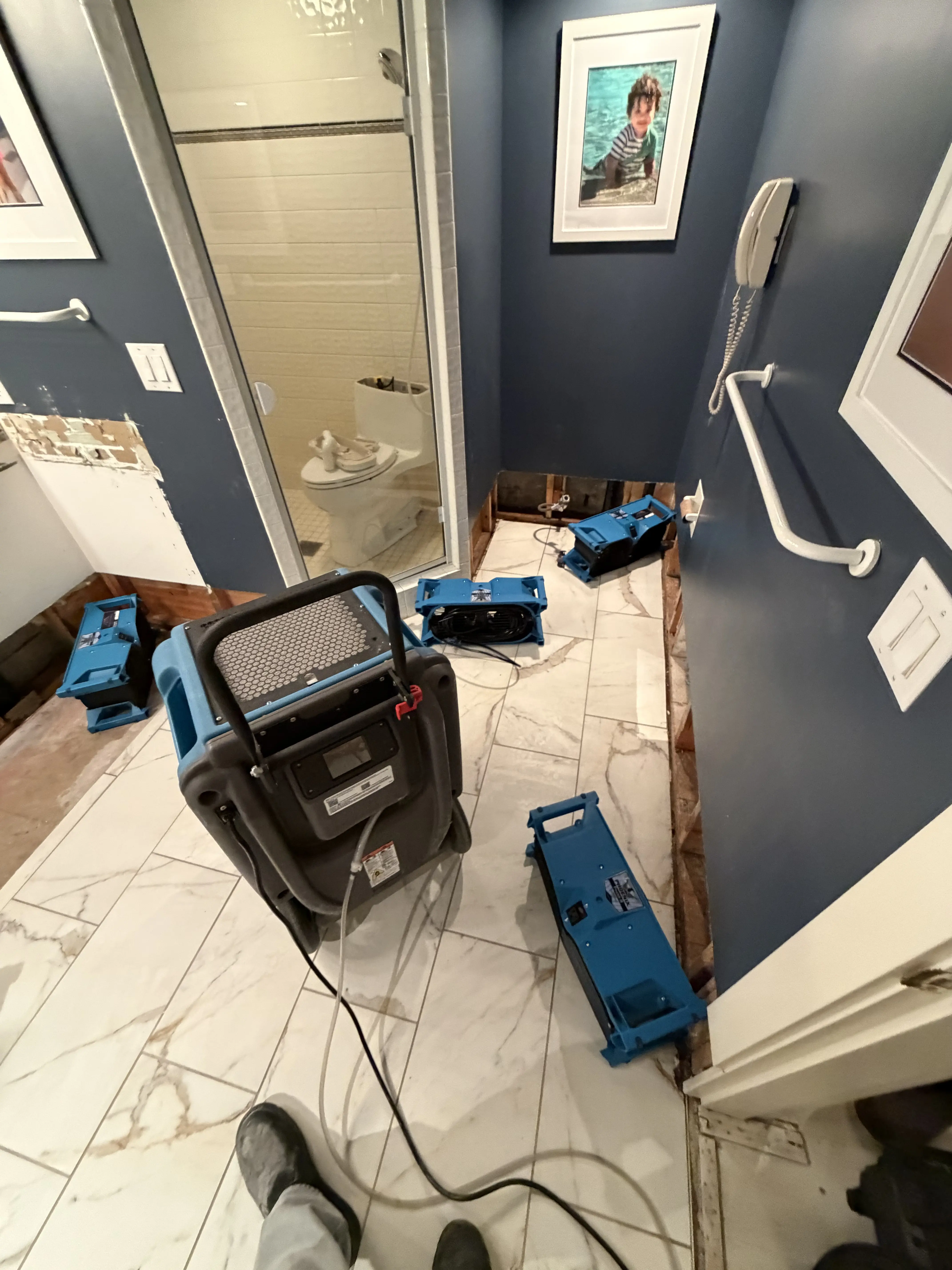
While your own extraction efforts help, they do not replace professional equipment. Consumer fans and dehumidifiers move surface air. They cannot extract moisture from inside wall cavities, from beneath subfloor sheathing, or from within insulation batts. Hidden moisture is where mold grows.
Step 4: Call a Licensed Restoration Company
This step should happen within the first two to four hours if at all possible. The 24 to 48 hour mold risk window is not a rough guideline. It reflects real microbial science about germination timelines. Every hour of delay is an hour closer to an active mold problem layered on top of the existing water damage.
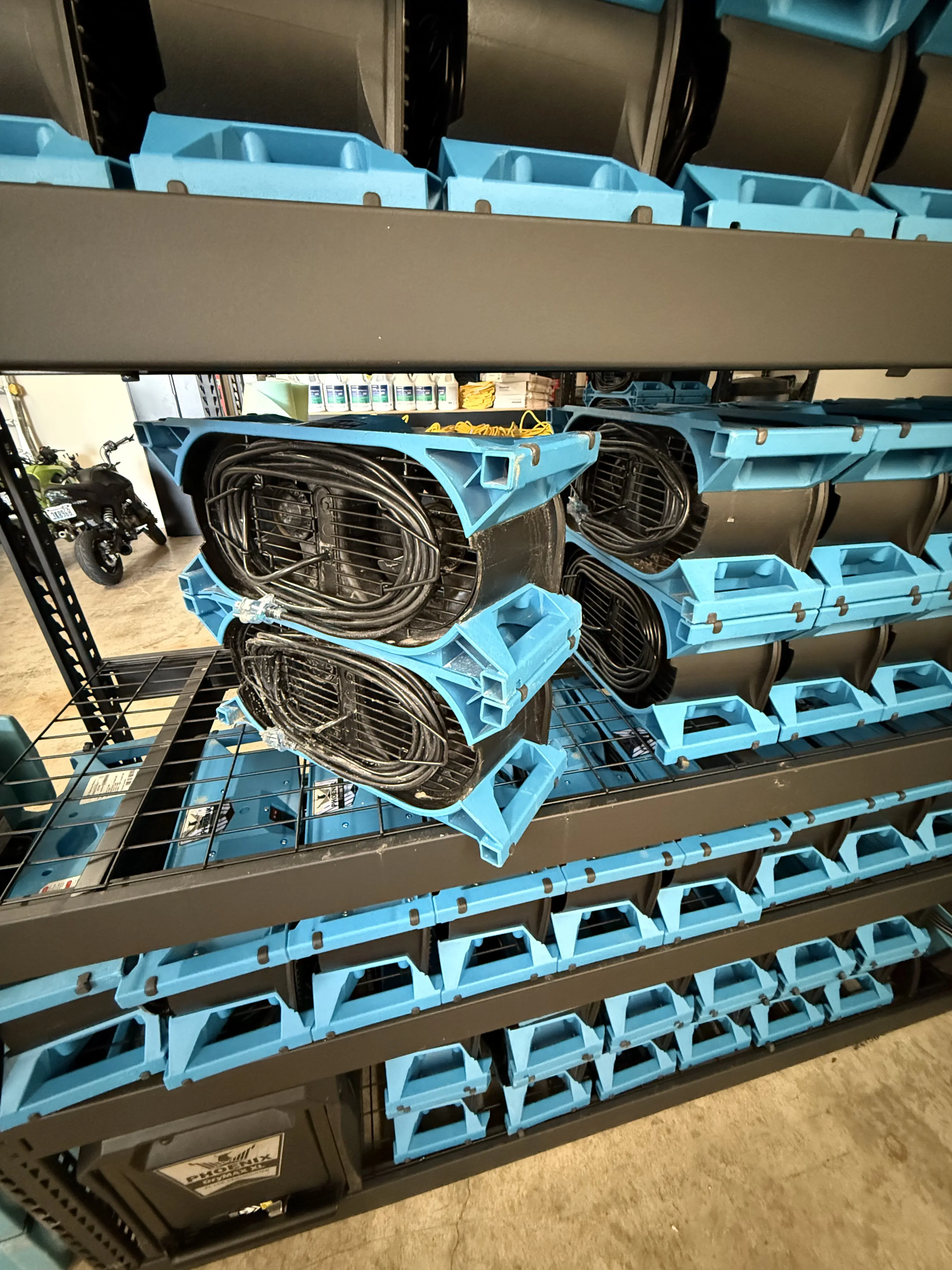
When you call Larchmont Builds, we dispatch a certified technician with moisture mapping equipment, industrial extraction tools, structural drying equipment, and documentation capability. The first visit establishes a complete moisture map of the affected area, identifies all water migration pathways, and initiates the drying protocol that prevents mold development.
We also begin the insurance documentation process immediately. The moisture readings and thermal imaging we take on the first visit become part of the adjuster-ready package that supports your claim.
Step 5: Call Your Insurance Company
Notify your insurer the same day as the event. Most Washington State homeowners policies require prompt notification of claims, and delay can create complications. Have the following information ready when you call:
Your policy number
The address and description of the affected property
The nature of the event (burst pipe, supply line failure, etc.)
A description of visible damage
The name and contact information of the restoration company you have engaged
Larchmont Builds can communicate directly with your adjuster on your behalf. We provide the documentation, answer technical questions, and coordinate inspection timing. You do not need to navigate this process alone.
Step 6: Contact a Plumber for Permanent Pipe Repair
Emergency water extraction and structural drying are different from repairing the failed pipe. Your restoration company stops the damage progression. A licensed plumber addresses the root cause.
Do not proceed with any drywall or wall closure until the pipe is repaired and the restoration company has confirmed that moisture levels in surrounding materials have returned to safe thresholds. Closing walls over wet framing creates ideal mold conditions that will manifest weeks or months after the visible repair appears complete.
What Happens If You Wait
Homeowners who delay professional response after a burst pipe event often face a compounding problem. Initial water damage that could have been resolved with a few days of professional drying becomes a mold remediation project. Mold remediation that could have been avoided requires material removal. Material removal triggers reconstruction. A project that professional response in the first 24 hours might have cost $3,000 to $5,000 can escalate to $15,000 or more with delayed action.
The mold clock does not care that it is Sunday night or a holiday. That is why our emergency line operates around the clock.
FAQ: Burst Pipe Water Damage in Seattle
How do I know if my walls are wet after a pipe burst?
Visual signs include soft or bulging drywall, bubbling paint, discoloration, and visible staining. However, walls can appear completely normal while containing significant moisture. Professional moisture meters and thermal imaging cameras are the only reliable way to detect hidden moisture.
My pipe burst and I do not see much water. Is it still a problem?
Potentially yes. Pipe failures inside walls can release water directly into wall cavities with minimal visible surface flooding. If you have a confirmed pipe failure, professional inspection is warranted regardless of visible water volume.
Can I file an insurance claim for a burst pipe in Washington State?
In most cases, yes. Burst pipes are generally covered under the sudden and accidental clause of standard Washington State homeowners policies. Documentation from a certified restoration company significantly strengthens the claim.
How long does drying take after a pipe burst?
Standard structural drying for a moderate burst pipe event takes three to five days with professional equipment. More extensive water migration into multiple material types can extend this timeline. Larchmont Builds provides daily moisture readings and a projected completion date after initial assessment.
Dealing with water damage or mold in the Seattle area? Larchmont Builds is IICRC certified, licensed and bonded in Washington State, and available 24/7. Call (206) 735-1286 or visit larchmontbuilds.com to schedule same-day response.