Case Study

Attic Mold Remediation Renton Condominium

The homeowner contacted Larchmont Builds after a routine inspection raised concerns about conditions in the attic space of their Renton condominium.

No visible symptoms were present inside the living areas — no discoloration, no odor, no indication of a problem at ceiling level. But an attic inspection was warranted, and what we found made remediation necessary.

This case illustrates exactly why proactive inspection matters in Pacific Northwest homes: by the time mold shows up inside, it's already been growing for a while.

Mold Inspection

Inspection

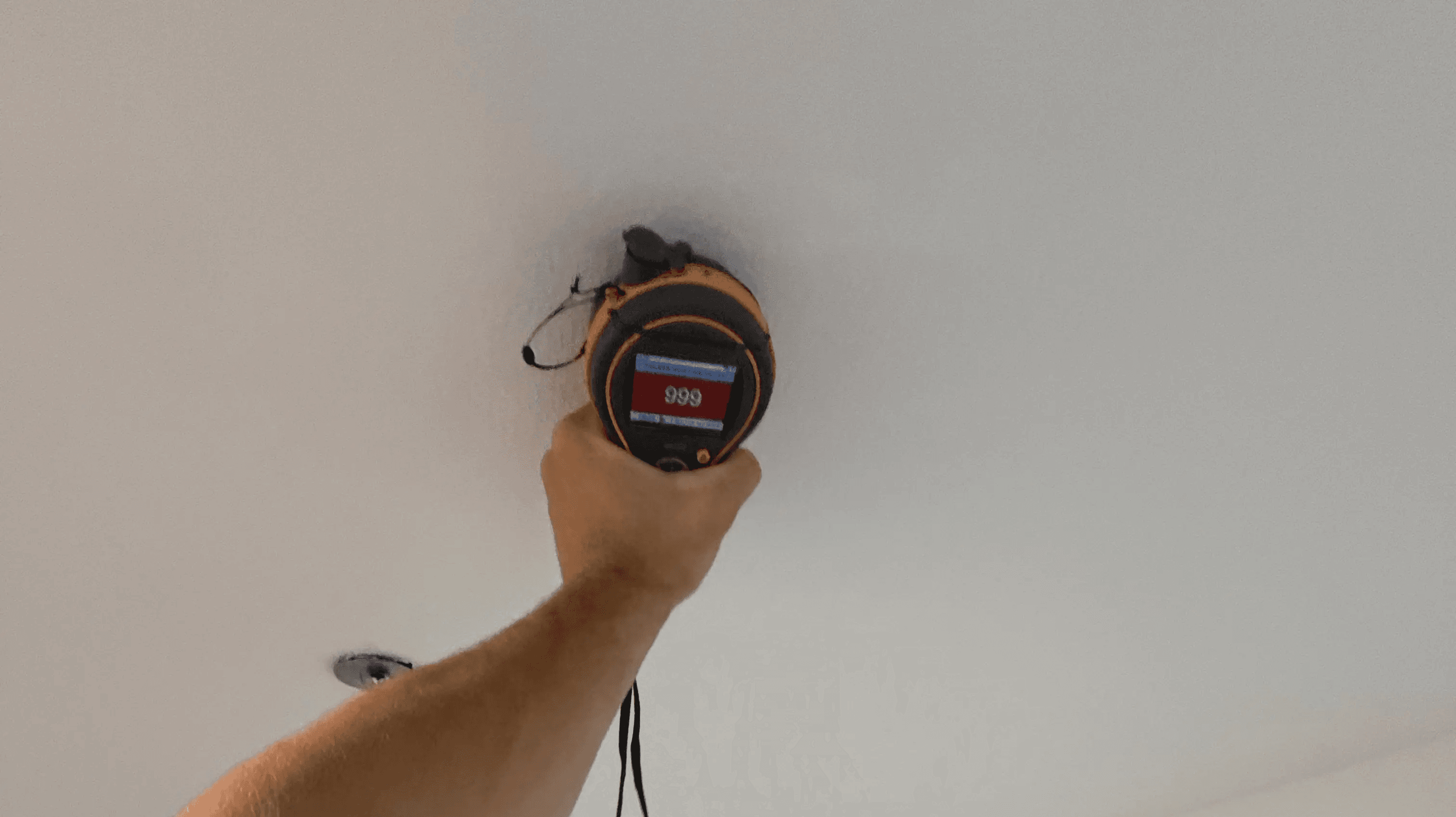
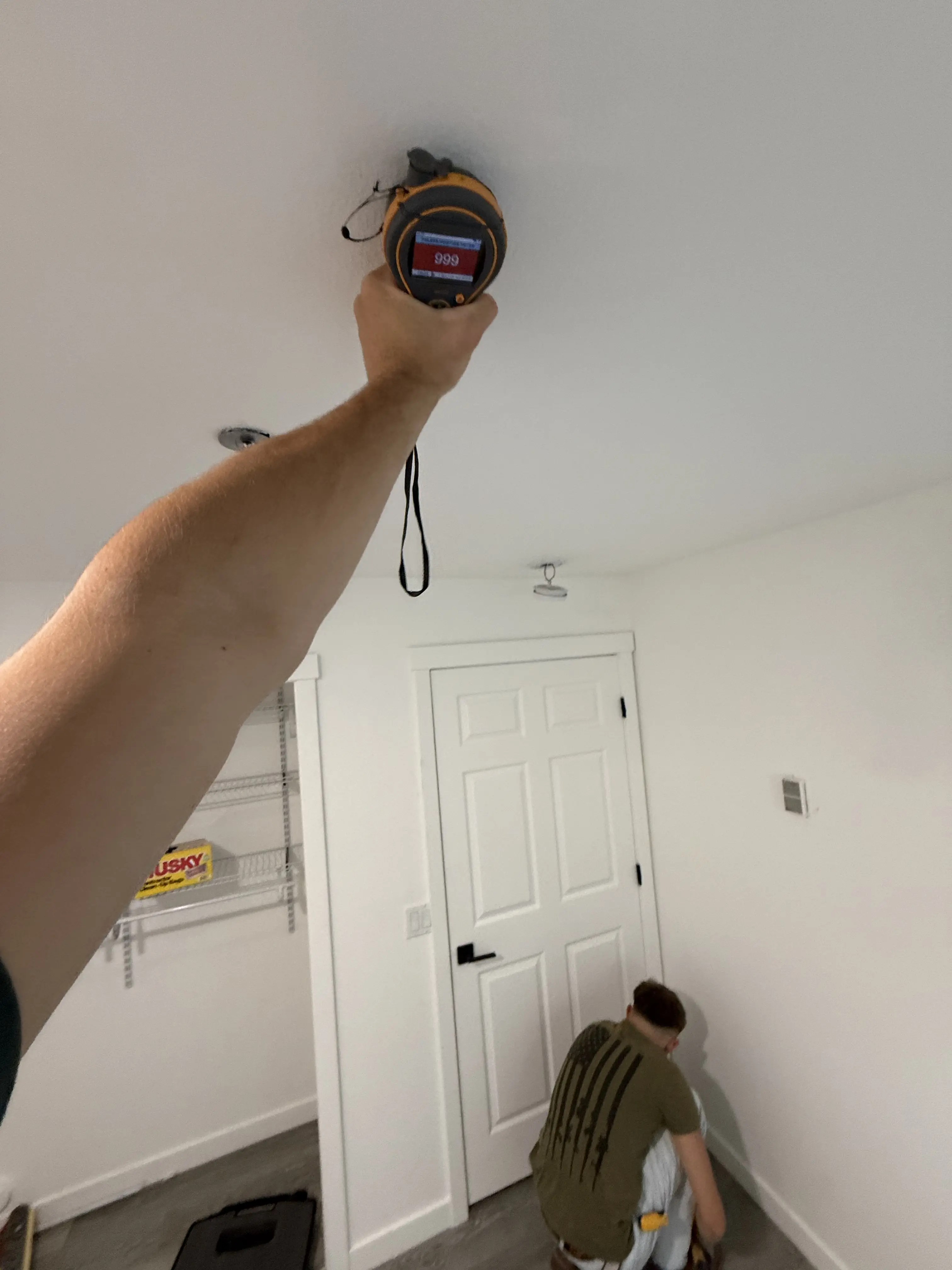
Larchmont Builds conducted a comprehensive visual inspection of the attic space in the Renton home. The assessment covered all accessible structural components including roof sheathing, framing joists, and the general attic environment. Our process included close visual examination of structural members, moisture assessment of materials, and documentation of all conditions consistent with water intrusion or microbial growth.

All findings were documented with photographs and reviewed directly with the homeowner following the inspection.

Findings

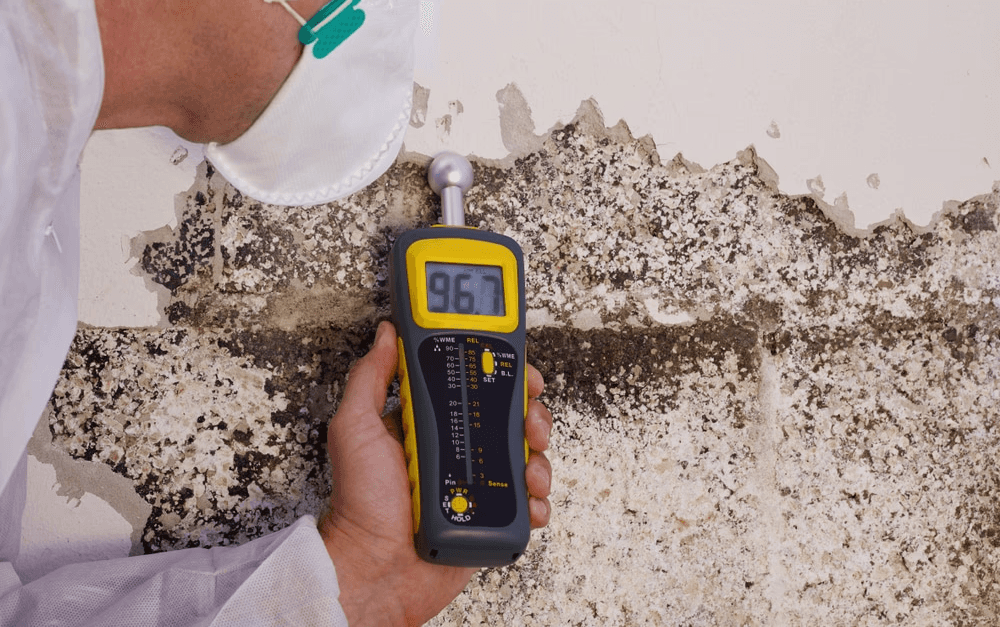
The inspection identified active microbial growth on multiple structural components within the attic space. Visible mold was present on several wooden joists, indicating that the area had been exposed to elevated moisture levels for a sufficient period to allow full colonization — not a recent or isolated event.

Beyond the visible growth, conditions within the attic suggested widespread spore dispersion throughout the general attic environment. Additional indicators of moisture intrusion were documented, including water staining and discoloration on the roof decking and corrosion on roofing nails penetrating through the sheathing — a reliable marker of prolonged moisture exposure within an enclosed attic space.

Based on the staining patterns and corrosion distribution, the most probable source of moisture is roof-related water intrusion, likely originating from compromised flashing, a roof penetration failure, or minor ongoing roof leaks that allowed water into the attic cavity over time — creating the exact conditions required for mold development and spore dispersion.
Mold
Mold
Mold
Inspector at work
Inspector at work

Client feedback

The inspection was thorough and straightforward. They explained exactly what they found, where it came from, and what needed to happen next — no pressure, just facts. Knowing the source was roof-related moisture made the path forward clear.

Mary A.

Renton, WA

Renton, WA

Unit Owner

Unit Owner

Mold inspector with clients

Outcome

Following the inspection, Larchmont Builds provided a full written report documenting all findings with supporting photographs and a detailed remediation scope.

The recommended mitigation plan includes:


  • Full antimicrobial treatment of the entire attic space using professional-grade solutions

  • Complete spray-down of exposed structural surfaces — joists, sheathing, and accessible framing

  • Manual scrubbing and physical removal of visible microbial growth from contaminated structural members

  • Cleaning and treatment of any HVAC or heating components located within the attic to prevent cross-contamination

  • Targeted measures to address spore presence throughout the attic environment

A detailed remediation quote was delivered alongside the inspection report. The homeowner now has a clear picture of the scope, the source, and the solution — and can move forward with the remediation process with full documentation in hand for insurance coordination.

2
Moisture sources identified
Multiple
Joists affected
Caught Early
Before interior damage occurred